When purchasing or selling a house, negotiating the best price is a critical stage in the real estate process. Having strong bargaining skills can make a major difference in securing the best deal possible, whether you are a buyer or a seller. In this blog post, we will share some helpful hints for negotiating the best price when purchasing or selling a home. So, let's get started!

Part 1: Negotiation Preparation
1. Research the current market circumstances, comparable home sales in the neighborhood, and the history of the property before engaging into negotiations. This information will help you establish realistic expectations for the negotiation process and provide you a clear knowledge of the home's value.
2. Establish a target price: Decide how much you are willing to spend as a buyer or how much you are willing to take as a seller. Having a goal price in mind will provide you with a benchmark for discussions and will assist you in remaining focused throughout the process.
3. Determine the motivations of the other party:
Investigate the opposing party's motivations for purchasing or selling the property. Are they eager to sell? Is there anything unique that could influence their decision-making? Understanding their motivations can help you gain an advantage during negotiations and modify your approach accordingly.
4. Seek expert assistance: Consider hiring a real estate agent or a real estate attorney who specializes in negotiations. These specialists have handled real estate purchases before and may provide useful advice throughout the negotiation process.
5. Be willing to walk away: One of the most important aspects of effective negotiating is the willingness to walk away if the terms are not favorable. Knowing your limits and having a backup plan might help you negotiate from a position of strength.

Part 2: Negotiation Strategies for Success
1. Make a powerful first offer/counteroffer: The initial offer or counteroffer sets the tone for the rest of the talks. Make certain that your initial idea is reasonable while still reflecting your desired objective. Starting with a strong offer demonstrates your commitment to the deal and sets the tone for future talks.
2. Take advantage of market conditions: If the market is slow or similar properties are available, you may have more bargaining power. Highlight any features that make your offer more appealing or distinguish your home from others.
3. Focus on interests, not positions: Instead of disputing about specific figures, try to grasp the other party's core interests. Finding mutually beneficial answers to their demands and concerns might result in a more effective negotiation conclusion.
4. Be patient and adaptable: Negotiations can be time-consuming, so it's critical to be patient and flexible throughout the process. Remember that finding a win-win solution is frequently preferable to attempting to "win" at all costs.
5. Use negotiation methods: You can use a variety of negotiation tactics to your benefit, such as the "good cop, bad cop" strategy, strategically making concessions, or appealing to emotions. However, in order to maintain trust and goodwill, these approaches must be used ethically and respectfully.
Part 3: Bringing the Deal to a Close
1. Get everything in writing: Once you've reached an agreement, make sure to document all of the terms and circumstances. This will assist to avoid future misunderstandings or disputes.
2. Consider contingencies: When purchasing a home, include contingencies in your offer that safeguard your interests, such as a home inspection contingency or a finance contingency. These contingencies allow you to renegotiate or withdraw if specific conditions are not met.
3. Remain proactive during the closing process: Even after the negotiations are finished, it is critical to remain proactive and involved in the closing process. To guarantee a smooth and successful closing, keep track of deadlines, carefully analyze paperwork, and communicate effectively with all parties involved.
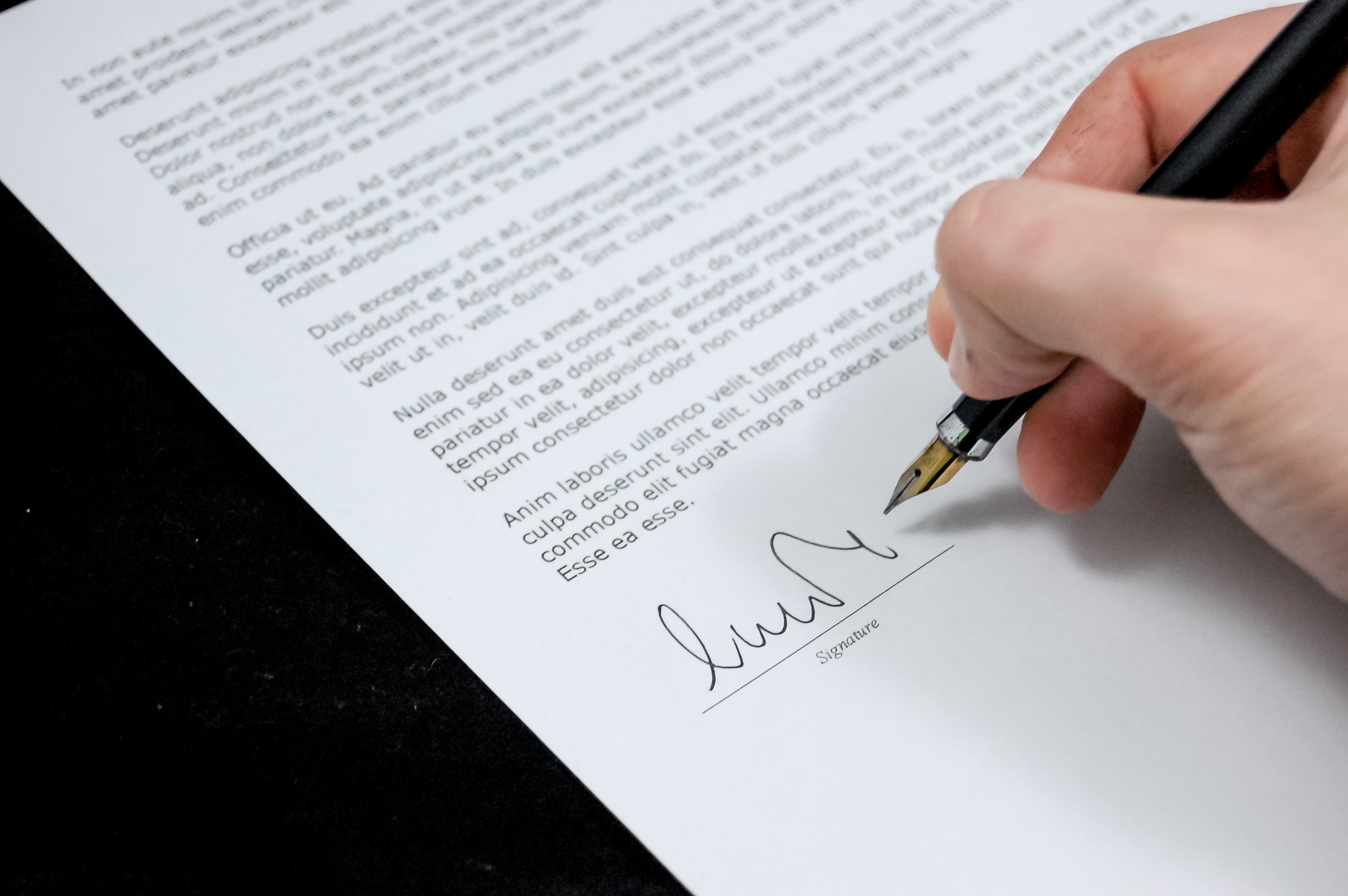
When purchasing or selling a home, negotiating the best price requires planning, strategy, and excellent communication. You may improve your negotiation abilities and boost your chances of receiving the best price possible by following the advice in this blog post. Remember that negotiating is about finding common ground and achieving a win-win situation for both parties. Best wishes for your future real estate discussions!
'investment in real estate' 카테고리의 다른 글
| The Impact of Interest Rates on the Real Estate Market (0) | 2023.07.26 |
|---|---|
| Investing in Real Estate: Where to Start and What to Consider (0) | 2023.07.18 |